The North Shore of Oahu tightens like a bowstring every winter. By mid-November the swells that built all summer begin arriving at Haleiwa, Sunset and Pipeline, and for the thirty-seventh year the Vans Triple Crown of Surfing gathers the world's best surfers across a six-week window that decides Hawaii's professional surf season.
For groups travelling to watch it live, this is the rare sports pilgrimage where the setting is as much the story as the competition. The Triple Crown is not one contest but three - the Hawaiian Pro at Haleiwa Ali'i Beach Park, the Vans World Cup of Surfing at Sunset Beach, and the Billabong Pipe Masters at Pipeline - strung along seven miles of beachbreak and reef break that locals call the seven-mile miracle.
Three contests, five weeks of winter surf
The 2026-27 series opens with the Hawaiian Pro at Haleiwa Ali'i Beach Park from November 13 to 24. Haleiwa is the gentlest of the three stages: a harbor-town break where the crowd lines the seawall and the coffee cart does steady business, and where a first-time surf spectator can settle in for a full day without needing binoculars to follow a heat.
From November 25 to December 7 the caravan moves east to Sunset Beach for the Vans World Cup of Surfing. Sunset is a longer, heavier wave - the kind of peak that rewards patience and punishes hesitation - and the beach widens accordingly, with the contest village drawing a bigger, more wandering crowd.
The series closes at the most famous wave in competitive surfing: the Billabong Pipe Masters at Pipeline, December 8 to 20. Pipeline is where legacies are written. The reef is shallow, the lip throws thick, and the final days of the window routinely produce the imagery that defines an entire season. If your group can only commit to one stretch of the calendar, the closing week is the one locals would choose.
Where a group should base itself
Two logics compete for your itinerary, and most visitors choose the wrong one. The conventional play is a Waikiki hotel: familiar, well-serviced, and thirty to fifty minutes from the North Shore once contest-day traffic stacks up on Kamehameha Highway. On a Pipe Masters Saturday, that drive home becomes the longest part of the day.
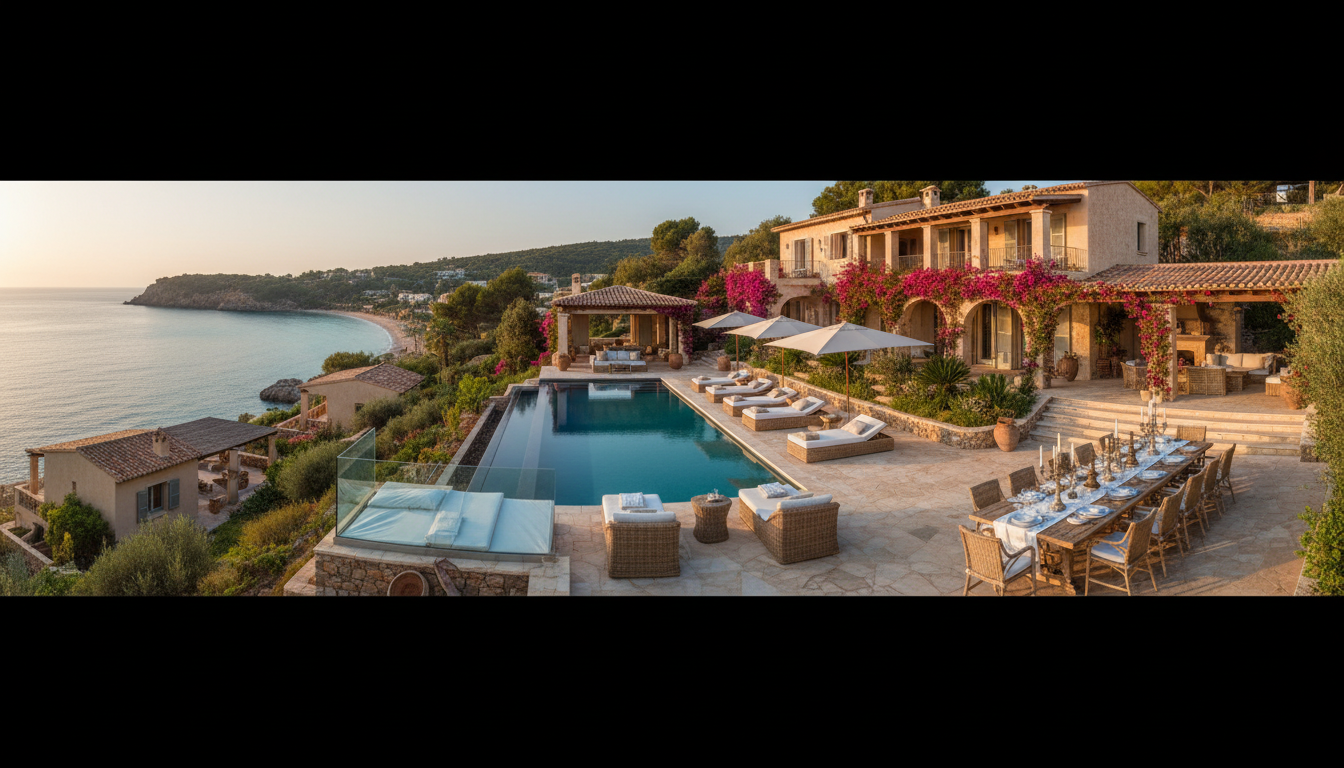
The better play for a group is a villa base on the North Shore itself. Wake up in Haleiwa or Sunset, walk to the beach before the parking lots fill, and return to a house instead of a lobby when the heat ends. Evenings become what a trip like this should be - a long table, grilled fish, and the day's replays - rather than a convoy back through Kailua.
Explore private villa stays with The Maruca Group and put your group minutes from the sand instead of across the island from it.
Planning around crowds, traffic and swell
Three practical notes separate a smooth Triple Crown trip from a frustrated one:
- Arrive early on contest days. Beach access points fill quickly, particularly at Pipeline and Sunset. Mornings are calmer, lighter and better for photographs.
- Match your dates to the wave you care about. Haleiwa suits a relaxed first visit; Pipeline suits travellers who want the defining moments of the series.
- Keep the schedule loose. Competition runs on swell windows, and heats can shift with the ocean. Build rest days into the itinerary rather than stacking back-to-back commitments.
The WSL has noted that ticketed VIP experiences - prime viewing, big screens, lounge access and lunch - are available on competition days at the Hawaiian Pro and the Pipe Masters, which is worth considering for groups who prefer a guaranteed seat over a patch of sand.
Why the Triple Crown rewards the longer stay
Almost every sporting weekend can be reduced to a highlight reel. The Triple Crown resists that. Five weeks on the North Shore lets a visitor watch the surf world change gear: the tentative early heats at Haleiwa, the power surfing at Sunset, and finally the compressed pressure of Pipeline, where a single wave can reorder a title race. You also get the rest of the culture for free - dawn patrol lineups, shave ice queues, the slow rhythm of a harbor town that has hosted this circus for nearly four decades.
That is the argument for treating this as a relocation rather than a visit. Give the group a house, give it time, and let the ocean set the pace. Five weeks is also long enough for the trip to become something more than sport - a morning swim before breakfast, an afternoon exploring Haleiwa's galleries and coffee shops, a slow dinner while the day's heats replay on someone's phone at the far end of the table. The Triple Crown rewards travellers who plan less and linger longer.
Frequently asked questions
What are the dates of the 2026-27 Vans Triple Crown of Surfing?
The series runs from November 13 to December 20, 2026: the Hawaiian Pro at Haleiwa Ali'i Beach Park (November 13-24), the Vans World Cup of Surfing at Sunset Beach (November 25-December 7), and the Billabong Pipe Masters at Pipeline (December 8-20).
Where should we stay when watching the Triple Crown?
A villa on Oahu's North Shore - near Haleiwa, Sunset Beach or Pipeline - puts you close to the beach and avoids the long contest-day drive back to Waikiki. Waikiki hotels are an option, but traffic on Kamehameha Highway is heavy on competition days.
Which contest is best for a first-time visitor?
The Hawaiian Pro at Haleiwa is the most accessible: a harbor-town break with a relaxed crowd and easy viewing from the seawall. For the most dramatic finishes, plan for the Pipe Masters closing week at Pipeline, December 8-20.
How big are the crowds on contest days?
Beach crowds and North Shore traffic are heaviest at Sunset Beach and Pipeline, especially on big swell days. Arrive in the morning, use the earlier parking, and expect the beach to fill well before the day's key heats.
Do I need tickets to watch the surf competition?
Beach viewing is the traditional way to watch, and general beach access is free. The WSL also offers ticketed VIP packages - prime viewing areas, big screens, lounge and lunch - on competition days at the Hawaiian Pro and the Billabong Pipe Masters.