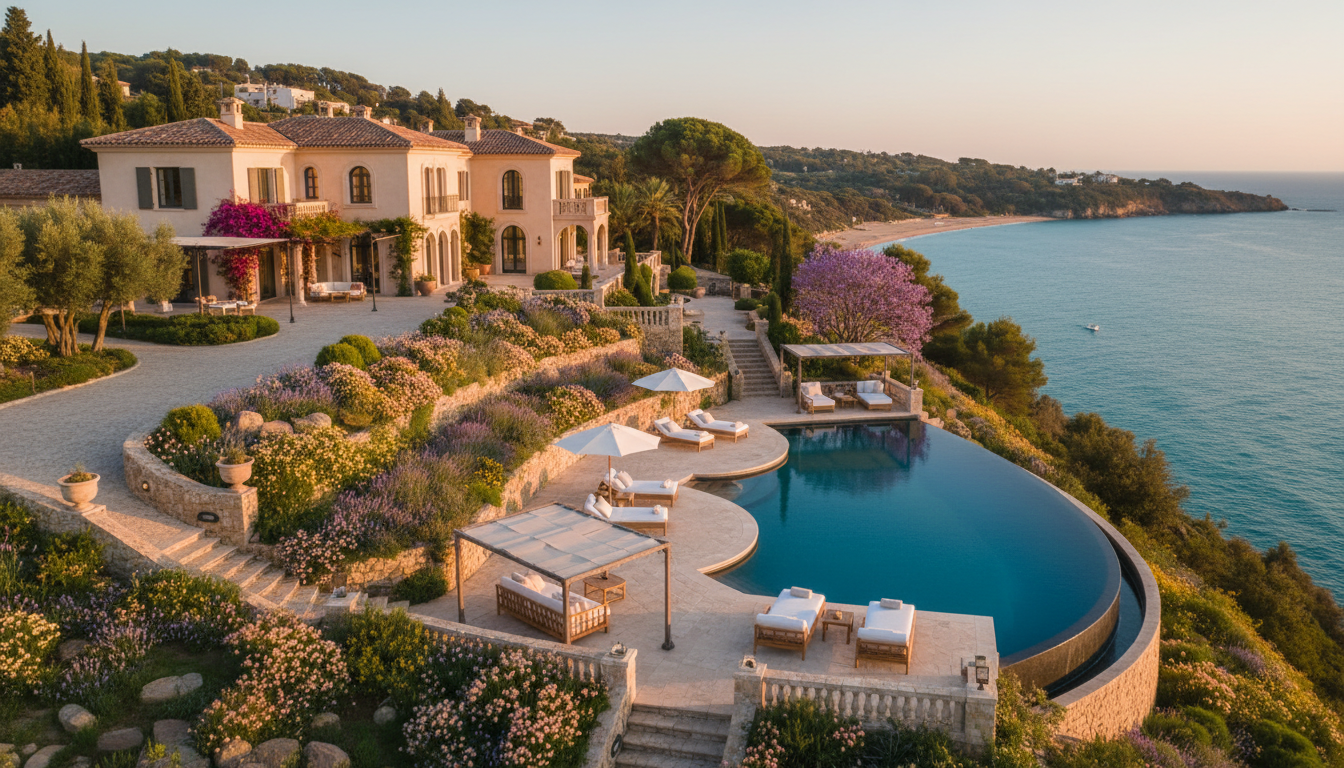
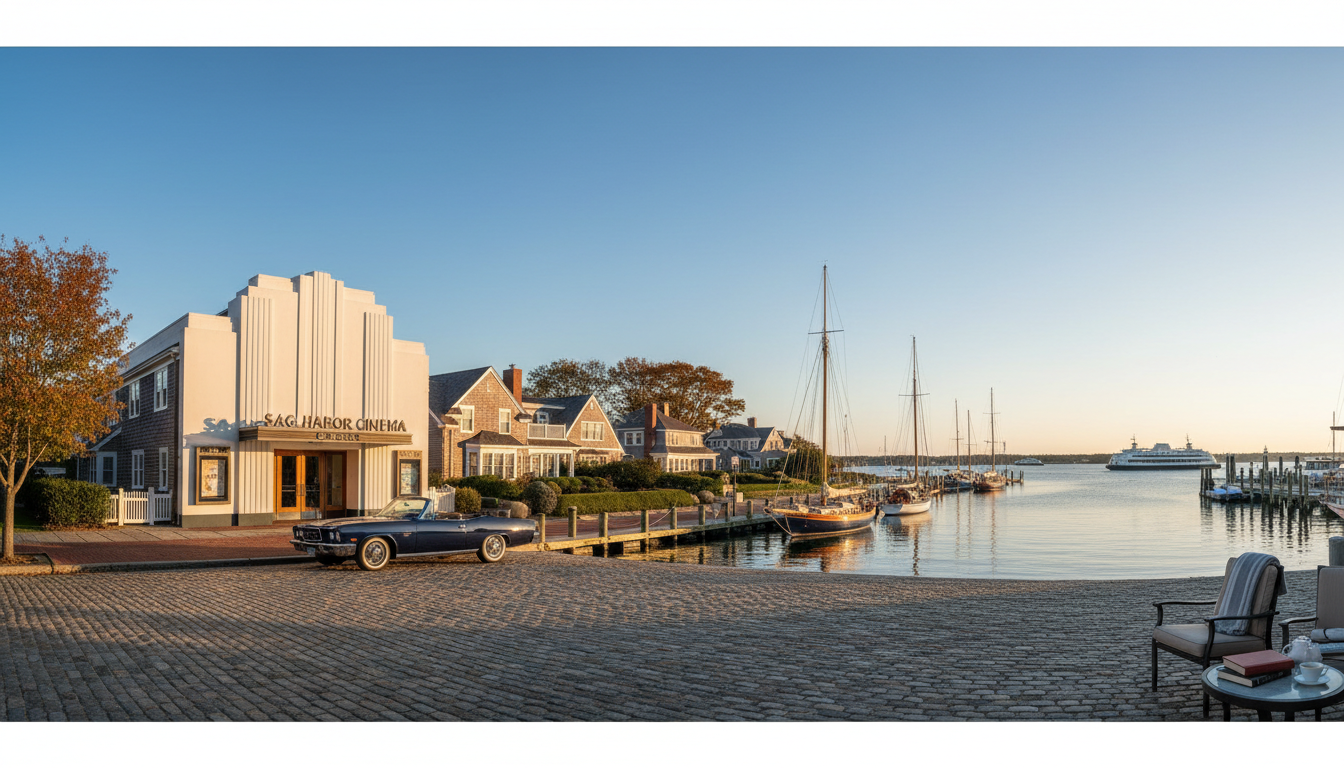
There is a quiet shift underway in how ambitious teams gather. The ballroom with the buzzing fluorescent lights and the buffet line is giving way to something more considered: a private villa, a long table, a kitchen where dinner becomes part of the agenda, and a backyard where the real conversations happen. Corporate retreat villa rentals have become the format of choice for leadership offsites, product kickoffs and client-hosting weekends — and for good reason.
A villa does something a hotel conference floor cannot. It keeps the group together without crowding them, gives every session a room with a view instead of a windowless breakout space, and folds the parts of the trip people actually remember — meals, downtime, a swim before the first meeting — into a single address. Here is how to plan one properly, from choosing the destination to booking the house that holds the whole agenda.
Why a villa beats a hotel for a team offsite
Hotels optimize for throughput. Villas optimize for the people in the room. For a group of eight to twenty, that difference shows up everywhere:
- One bill, one building. No key-card scramble across three floors, no chasing anyone down for the morning session. The team wakes up under the same roof.
- Spaces that flex. A dining room becomes a workshop at 9 a.m., a terrace becomes a fireside debrief at 7 p.m. Nobody has to vacate a booked room at the top of an hour.
- Meals as programming. A private chef can cook around the schedule — working breakfasts, a dinner where the day's decisions get made without a reservation clock ticking.
- Privacy that hotels can't offer. Strategy discussions stay inside the property. There is no adjacent suite, no lobby eavesdropping, no branded lanyard announcing the company in town.
- Downtime built in. A pool, a hot tub, a trail out the back door. The informal hours — where teams actually bond — happen naturally instead of being scheduled as an icebreaker.
Start with the destination, not the spreadsheet
The right city does half the work: it determines flight times, whether the group can arrive on a single day, and what people do with the hours between sessions.
- Warm-weather anchors. Luxury villas in Miami and Hawaiian estates draw teams from cold-weather offices in Q1 and Q2, when a rooftop pool is a genuine perk rather than a photo. Miami in particular pairs direct flights with a beach setting that makes a two-day agenda feel like a reward.
- Desert calm. Palm Springs and Scottsdale offer mid-century architecture, warm winters and a pace that slows a team down in the best way — ideal for the kind of offsite where the goal is focus, not sightseeing.
- City-adjacent. Los Angeles villas in the Hollywood Hills or Malibu put the team within reach of clients, investors and a major hub airport, without surrendering the privacy of a gated property.
- Mountain and coast. A ski-area villa in winter or a coastal estate in shoulder season works when the retreat doubles as the year's one big perk for the team.
The practical rule: pick the airport your group can reach in under four hours, then let the property set the tone from there.
How big should the villa be — and what it should have
Match bedrooms to travelers, then add one. A team of twelve in a six-bedroom house means four people sharing rooms or one person on a pull-out — a small resentment that follows everyone into the first session. For a retreat, every adult should get a bed.
The checklist that separates a working offsite from a beautiful inconvenience:
- Reliable, fast Wi-Fi — confirmed for video calls, not just streaming. Ask for a speed test before you sign.
- A real workspace — a table that seats the whole group, plus outdoor options for breakout conversations.
- Sound isolation — enough separation that an early riser's 6 a.m. call doesn't wake the room next door.
- Full kitchen or chef access — meals on your schedule, not the resort's.
- Enough parking or airport transfer logistics — ground transport is the part teams underestimate.
- Outdoor space — the single amenity most correlated with how a retreat is remembered.
Sequencing the agenda around the house
The best offsites borrow the villa's rhythm. Mornings for the hard decisions, when minds are fresh and nobody has drifted toward the pool. Late afternoons for workshops and one-on-ones. Evenings for dinner — genuinely long, no laptops — because that is where the agenda items that need honesty actually get resolved.
Two structural choices matter more than the icebreakers:
- Protect one unscheduled half-day. Teams that fill every hour come home tired; teams that get a free afternoon come home aligned.
- Keep the whole group on one property. Splitting across two houses or a hotel-plus-villa arrangement quietly recreates the silos the offsite was meant to break.
When to book, and how to book it well
Peak retreat seasons — January through March, and the September-to-November window most companies use for annual planning — fill first, and the best villas book months ahead. For a 2027 offsite, the decision window is now through winter.
Book through a managed, vetted source. Open-market rentals leave the group exposed to double bookings, misrepresented properties and no one to call when the air conditioning fails on the morning of day one. A professionally managed villa means a guest experience team, verified property facts, and a real person accountable for the stay. That is the difference between a retreat that runs and a retreat that gets rescued.
When you are ready to scope it, The Maruca Group manages luxury villas across 50+ destinations — including Miami, Palm Springs, Scottsdale, Los Angeles and Hawaii — and can match the property to the agenda, the headcount and the dates.
FAQ: corporate retreat villa rentals
How many people can a luxury villa host for a corporate retreat?
Managed villa portfolios commonly accommodate groups from roughly 8 to 20+ guests in a single property, with estates at the larger end. The rule of thumb is one bedroom per traveler, plus one spare, so nobody shares a room. Confirm headcount with the property team before booking so the house, parking and catering all match the roster.
When should we book a villa for a 2027 company offsite?
For peak windows — January through March and September through November — book three to six months ahead, earlier for larger estates. The most requested properties for retreats are often committed before the previous season ends. Locking dates early also gives you leverage on chef services, transfers and any AV setup the agenda requires.
Does a villa have the Wi-Fi and workspace we need for real meetings?
Yes, when you verify it in advance. Reputable managers can provide current internet speeds and confirm a table that seats the full group, breakout areas indoors and out, and quiet rooms for calls. Ask for a speed test before signing, and specify any video-conferencing needs in the booking notes rather than assuming them.
Can we arrange catering and a private chef at a rented villa?
In most destinations, yes — private chefs and in-villa catering are standard add-ons through a managed booking, and many groups prefer it to restaurant reservations because meals can flex around the agenda. Grocery delivery, working breakfasts and a hosted dinner can all be arranged ahead of arrival.
How is a managed villa rental different from booking an open-market property?
A managed rental means the property is verified, the listing facts are accurate, and a guest-experience team is accountable for the stay — maintenance issues, questions and requests go to a real person, not a remote host's message inbox. For a company trip, where dates, headcount and reliability are non-negotiable, that accountability is what protects the offsite.